
Air Hockey Samples: Record the Acceptance Sequence
Approve an air hockey table sample through a written sequence tied to one identified unit. Record the supplied components, applicable instructions, agreed observations and the reviewer’s decision at each stage. Keep photographs and open issues with the record. A successful demonstration or attractive playfield does not approve every feature, market requirement or production unit.
A sample demonstration can answer one question while leaving several others unresolved. For wholesale air hockey tables, a useful approval file distinguishes the received unit, the configuration reviewed and the checks actually performed. This approach helps the buyer avoid a general approved message that later becomes an unsupported approval of a different version.
1. Identify the sample and its supplied configuration
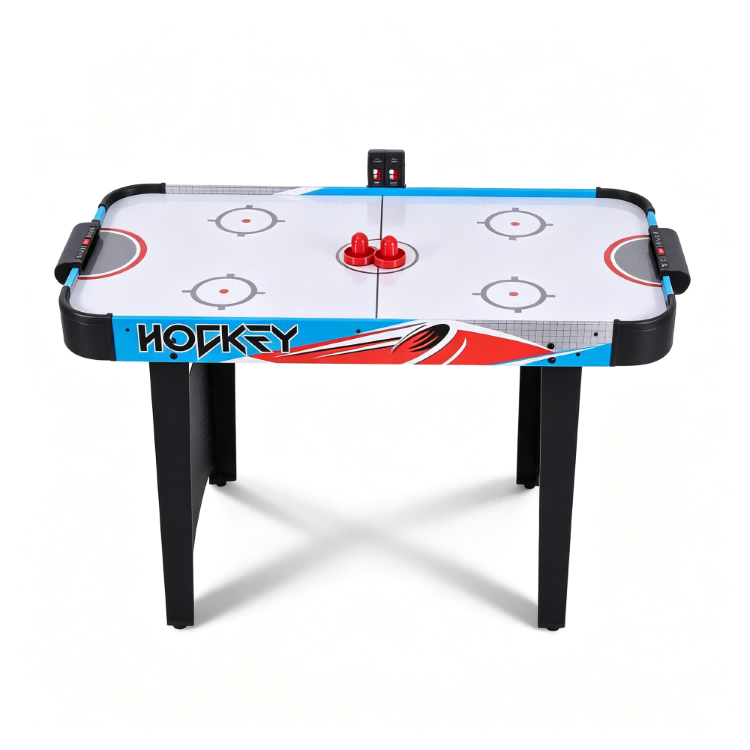
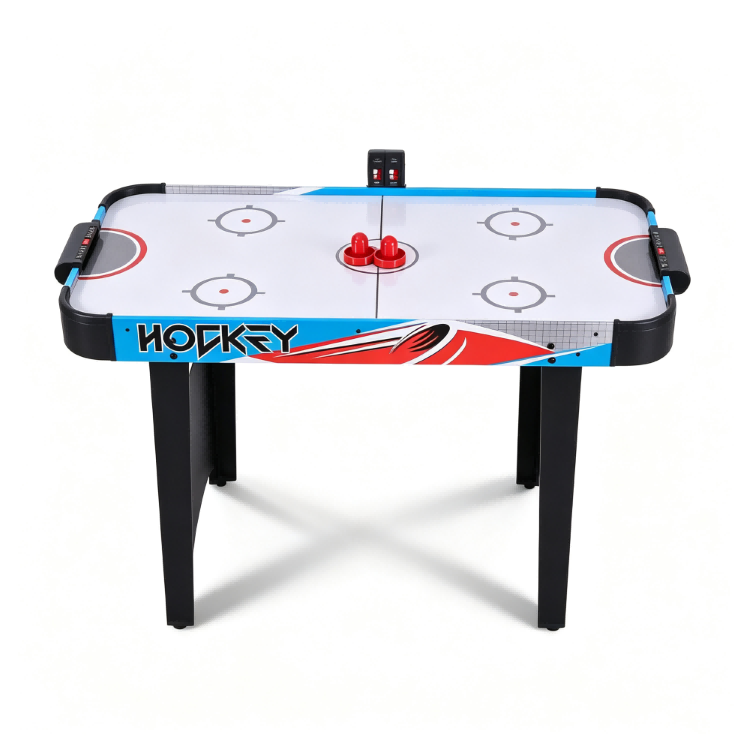
Start with the model, sample receipt date and buyer sample ID. The RQ22002 product page lists the RQ22002 table at 122 × 61 × 76 cm with an electronic scorer. Use those catalogue details as an enquiry reference and request the specification for the sample actually supplied. Record any stated difference before the review begins.
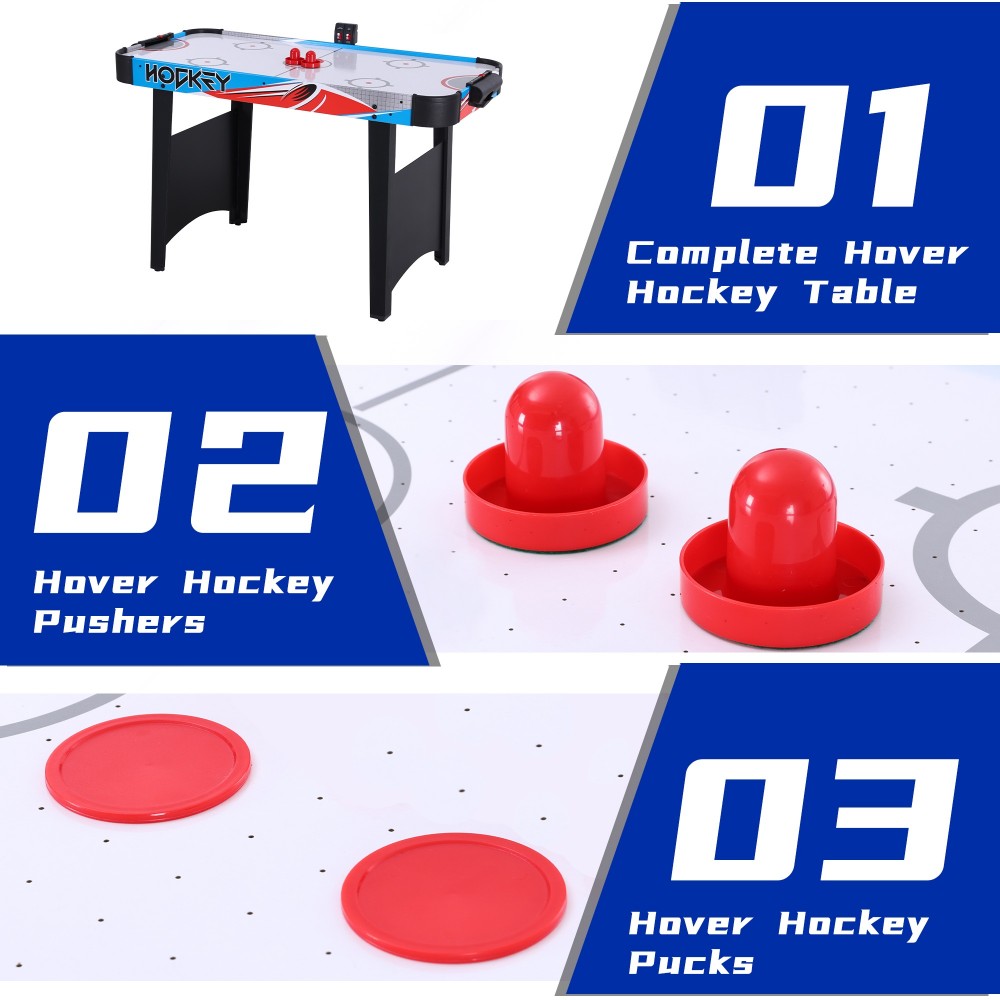
Photograph the labelled sample and list the received items. Connect any supplied instructions, component list or drawing to the same ID. Keep loose items in labelled groups so a later observation can be traced to its configuration. A photograph of another table should remain a comparison reference rather than replacing the received sample record.
- Sample model, receipt date and identifier
- Confirmed instructions and component list
- Agreed observation method and reviewer
- Scoped result, open issue and revision
2. Agree the review sequence before observation
Ask the supplier for the applicable assembly and operating instructions. Have the responsible reviewer define what will be observed and any prerequisites before the sample is operated. Use those instructions rather than improvising electrical or assembly steps. Keep the review method and intended configuration consistent so results from different samples can be compared meaningfully.
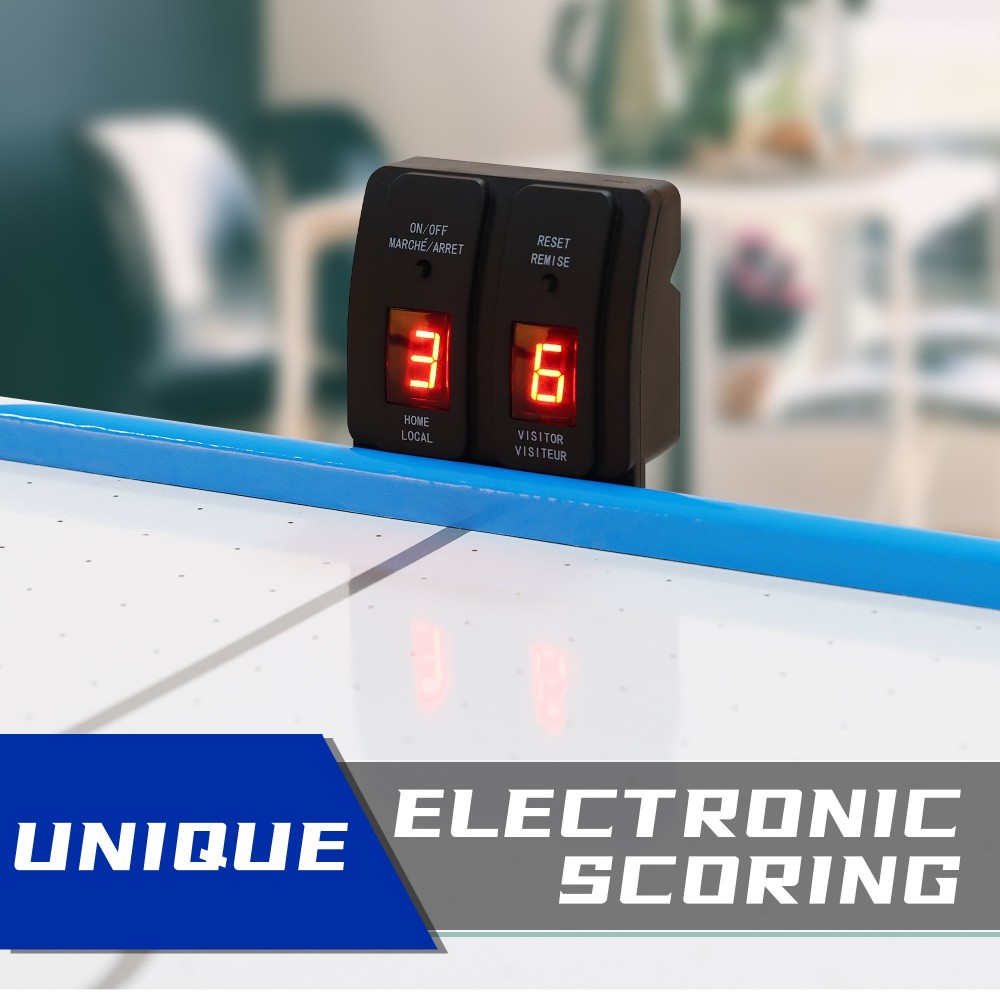
Write a separate line for each agreed observation, such as visible completeness, installed-part identity, playfield appearance or a defined scoring demonstration. Name the reviewer and expected evidence. Do not invent a universal tolerance, load limit or pass rate. The acceptance criteria should come from the buyer’s requirement and the applicable confirmed specification.
| Stage | Record before review | Evidence after review |
|---|---|---|
| Receipt | Sample ID and supplied configuration | Labelled overall and component views |
| Preparation | Instructions and prerequisites | Responsible reviewer and applicable revision |
| Observation | Defined check and acceptance basis | Actual result with conditions |
| Decision | Scope and owner | Accepted, revise or not yet checked |
| Order link | Approved sample reference | Signed record and unresolved actions |
3. Record results without overstating them
For each step, note the actual observation, date and any condition that affects interpretation. If scoring is demonstrated, identify the equipment and the sequence used rather than writing works well without detail. A short video or annotated photograph can support the record when the sample ID and observation being shown remain clear.
Separate a visual concern from an operating concern and describe its location. Keep a successful check scoped to what was actually reviewed. The demonstration does not establish a durability rating, electrical compliance or suitability for every user group. Any additional requirement needs a relevant method and evidence, with the responsible review owner identified.
4. Keep partial decisions and replacements traceable
Allow accepted, revise and not yet checked as distinct outcomes. A buyer may accept the graphic appearance while leaving a component question unresolved. Record both decisions and the remaining action. The purpose is to retain a truthful purchasing record, not to force every field into a final pass before the evidence is available.
When a replacement part or revised sample arrives, give it a new receipt reference linked to the earlier issue. Preserve the original photographs and result. Ask what changed in the specification and whether earlier observations still apply. A revised sales image alone should not close a concern found on the physical sample.
5. Attach the approved scope to the order
Keep the signed record, final specification revision and approved sample reference together. Identify the configuration that the supplier is being asked to reproduce and the matters that remain open. Production inspection and shipment acceptance should have their own agreed scope; approval of one sample is not evidence that every later unit has been reviewed.
Revisit the record when a model, component, graphic or intended use changes. Use the game-table buying guides for broader selection context, while keeping the project’s acceptance evidence in its own dated file. This provides a clearer starting point for supplier clarification and repeat-order review than an unqualified approval message.
Frequently Asked Questions
Does sample approval prove production consistency?
No. It identifies a reviewed sample and configuration. Agree production and shipment inspection requirements separately.
Can a photograph close an electrical compliance question?
No. Ask for the documents and responsible technical review appropriate to the actual product and destination.
What if one check passes and another is unresolved?
Record the decisions separately. Preserve the open issue, owner and required evidence rather than treating the whole sample as fully approved.
Should a revised sample replace the original evidence?
Keep both. Link the new sample to the original concern and record which specification or component changed before repeating the applicable review.
Share your sample ID, requirements and draft acceptance sheet through the contact page. Use the catalogue to identify the model family before agreeing the review scope.