
Air Hockey Packs: Keep Accessories With the Table
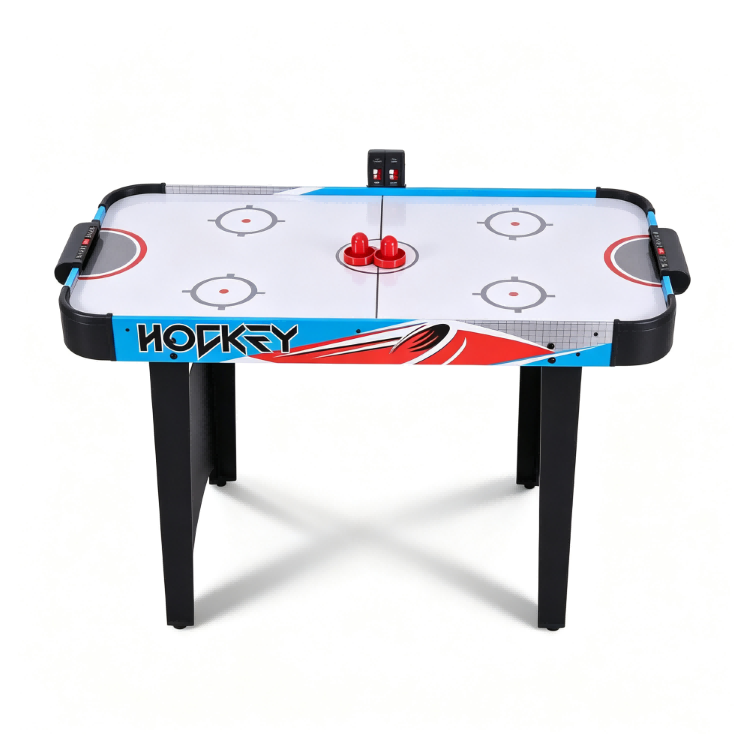
Define air hockey packing with a model-specific contents list and a clear link between the table, its accessory kit and carton identifiers. Reconcile every named item before approving a packed sample. Keep label revisions and any separate parcels in the same record. A catalogue accessory image does not establish the contents of a particular shipment.
A table can arrive with the expected carton count while its pucks, pushers or identified components are in another parcel. Buyers of wholesale air hockey tables need a packing record that explains where the contents belong. The useful unit is a confirmed complete configuration, supported by a list and labels that receiving staff can reconcile.
1. Write the complete contents list
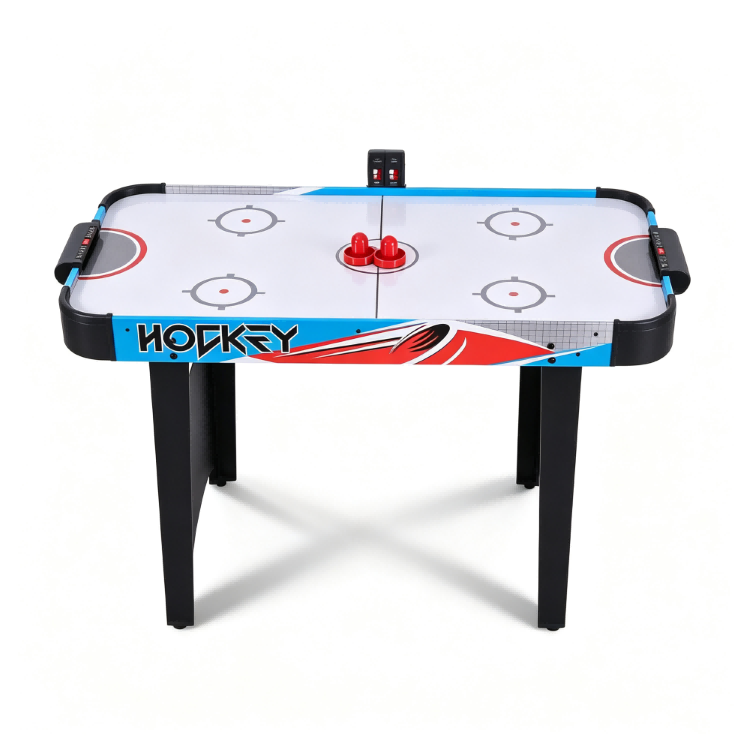
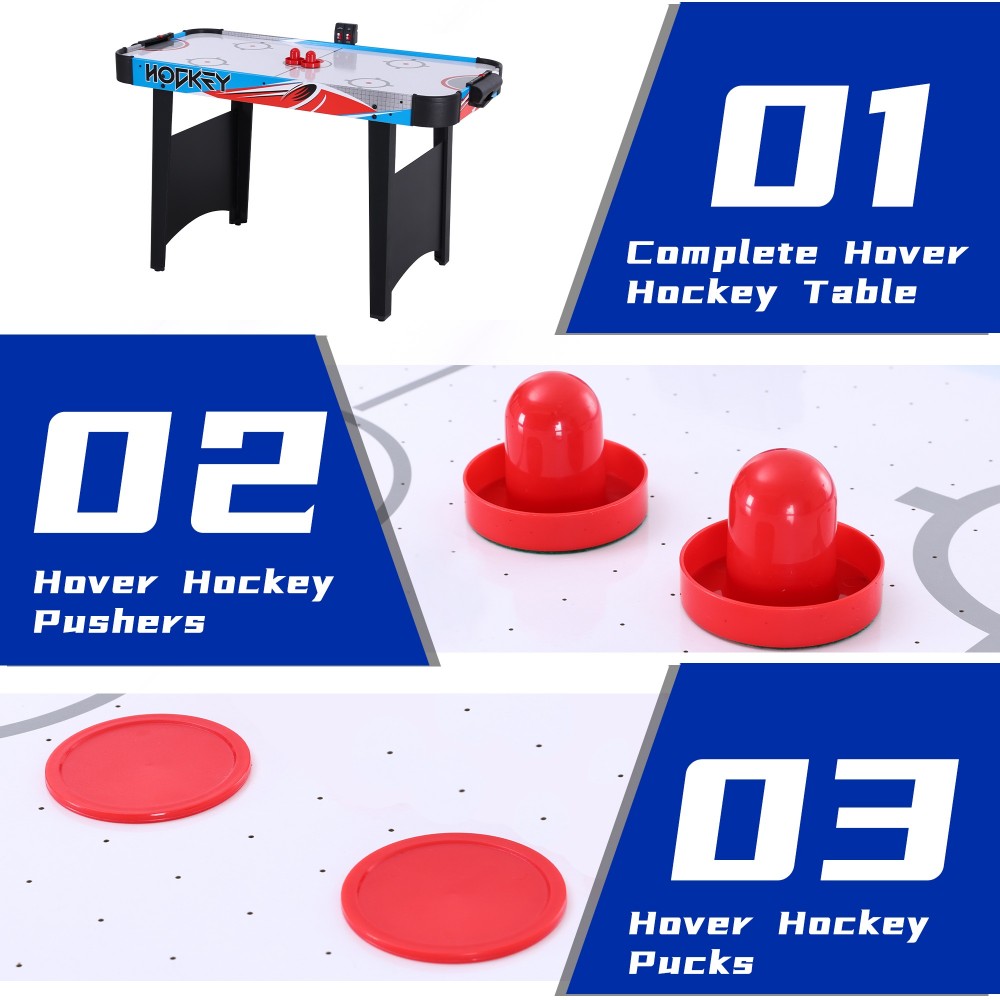
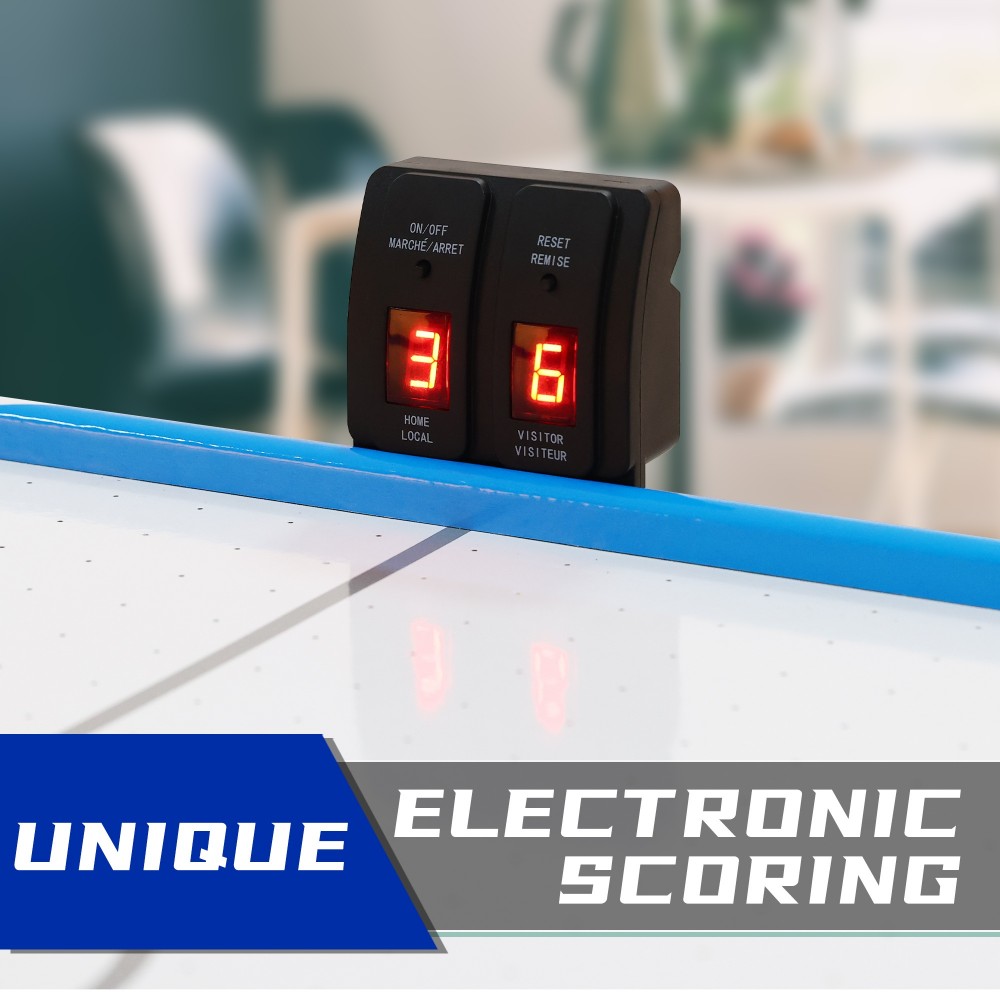
Use the exact table model as the heading. The RQ22002 product page lists two pushers and two pucks with the RQ22002 model, along with an electronic scorer and a fan with adapter. Treat those details as catalogue references and ask the supplier to confirm the contents applicable to the actual order and any requested variation.
Give every loose item a clear description and quantity. Where parts are packed together as a kit, list its contents instead of writing accessories only. Ask which assembly information or tools are supplied and identify anything that must be obtained separately. Do not infer an item from a photograph when the written packing scope is silent.
- Exact table model and configuration
- Named accessory items and quantities
- Kit-to-table and parcel identifiers
- Packing and label revisions plus receiving evidence
2. Link kits and separate parcels to the table
Ask the supplier to identify the proposed table-to-carton arrangement and the location of the accessory kit. If one configuration uses several parcels, give them related identifiers and record the contents of each. A receiving team should be able to match a loose kit to its table without opening unrelated cartons or guessing from a graphic.
Keep additional or spare items on separate lines. State whether they belong to an individual table or the order as a whole, and ask for compatible model references where relevant. Reconcile their quantities separately from complete table units. A spare puck should not increase the declared count of complete product configurations.
| Packing item | Required definition | Reconciliation check |
|---|---|---|
| Table | Model and complete-unit quantity | Matches the approved order variant |
| Accessory kit | Named items and individual counts | Kit contents match the confirmed list |
| Separate parcel | Related table or order identifier | No unallocated kit or equipment |
| Label | Model, contents and revision | Describes the actual packing arrangement |
| Receiving | Parcel ID and observed contents | Discrepancy is documented and traceable |
3. Review the proposed packed arrangement
Request photographs or a packed sample showing the agreed arrangement and item identification. Ask how loose components and supplied equipment are positioned within it. Record the proposed protection and any requested change. This review describes packing scope; it does not establish a verified transport performance or a guarantee against every handling condition.
If a transport or packaging test is required, agree its method, scope and evidence with the responsible parties before approval. Keep the result separate from a visual packing review. Request the final packing dimensions and weights for the actual arrangement rather than treating the table’s assembled dimensions as carton measurements.
4. Reconcile carton labels and instructions
Compare the label model and contents statement with the approved list. Where the buyer and supplier use different identifiers, keep a written mapping. Assign the label artwork a revision and reviewer, then ask which version will be used. A correctly printed model name does not resolve a missing accessory quantity or an unspecified separate parcel.
Ask the buyer’s responsible person to review any required language, warnings or destination information against the confirmed product documentation. Do not copy unsupported safety or compliance wording from promotional graphics. Keep instructions linked to the applicable model and version; a general brochure should not silently replace the documentation agreed for the packed configuration.
5. Use the same record at dispatch and receipt
Retain the confirmed contents list, packed sample reference and final label revision together. Ask the supplier to reference those documents in the packing confirmation. Agree how contents will be checked and discrepancies recorded before dispatch. There is no universal inspection rate in this guide; the parties need a defined scope appropriate to the actual order.
At receipt, identify the affected carton or parcel and record observed contents against the same list. Photograph a mismatch with the labels and relevant items visible. Keep corrections traceable to the configuration. The game-table guides offer wider buying context, while this record supports the practical handover between purchasing, packing and receiving teams.
Frequently Asked Questions
Does the catalogue picture define every shipped accessory?
No. Ask for the confirmed contents list for the actual order. Use the image as a product reference, not as a shipment receipt.
Can an accessory kit travel in another carton?
It can be proposed, but the arrangement and matching identifiers need written confirmation so receiving staff can reconcile it with the intended table.
Are assembled dimensions suitable for freight planning?
Request the final packed dimensions and weights. The assembled table measurements do not establish the size of the confirmed carton arrangement.
What evidence helps with a missing-item report?
Record the parcel identifier, label, observed contents and the approved list revision. Photograph the affected items clearly and follow the agreed discrepancy process.
Send the model, proposed contents list and packing requirements through the contact page. Review the product catalogue to distinguish the configurations before confirming a kit or carton plan.