
Pool Table RFQs: Clarify Pocket Construction
What should a buyer clarify about the pockets? When sourcing wholesale pool tables, connect every pocket description to a named component on the selected model. Ruiqing’s 4FT folding table page describes nylon-net pockets in its narrative and lists “PVC Pocket” in the specification area. Ask the supplier whether these terms identify different parts of one assembly or another offered construction, then retain the confirmed explanation with the quotation.
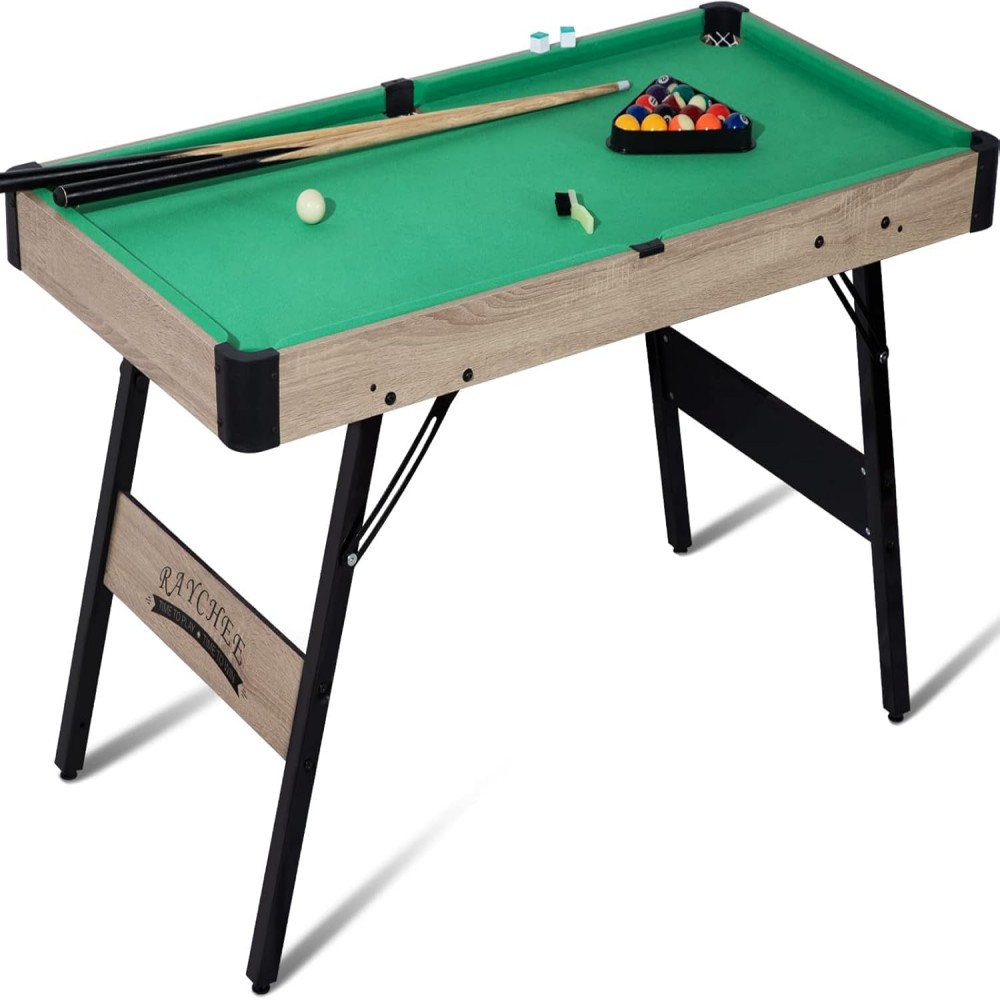
The 4FT product image identifies the table and visible pocket arrangement. It does not establish the composition or performance of each pocket component.
Preserve the terms while requesting a component map
Start with the 4FT Folding Pool/Billiard Table listing and identify the precise quotation reference. Copy the two pocket descriptions into the inquiry without choosing one interpretation. They may concern separate parts or require a correction from the supplier. A marked photograph or drawing can show what the supplier means more clearly than replacing both entries with a single general material word.
Keep the apron’s separate PVC-related description outside the pocket entry. A description attached to the table body does not automatically explain the pocket trim, net, or attachment parts. Give each relevant area a name on the component map and ask the supplier to use those names in its response. This keeps the source wording traceable while the actual offered construction is clarified.
Source reference
Procurement question
Narrative: nylon net
Which pocket component does this describe?
Specification: PVC Pocket
Does this refer to trim, another part, or another construction?
Separate apron description
Keep body-facing information distinct from pocket information
Selected table reference
Confirm the component map applies to the quoted model
Pocket assembly reference
Identify included parts and any proposed alternative
Identify the assembly at each relevant position
Ask the supplier to distinguish the visible opening, retaining trim, hanging portion, and attachment arrangement where those parts are present. An underside reference can help locate components that a top view leaves unclear. Record the supplier’s terminology beside the image. The buyer’s purchasing and receiving teams should be able to identify the same part without interpreting the catalogue language again.
Name the selected table and quotation reference.
Mark the pocket parts that require clarification.
Ask whether corner and side positions use different components.
Request part identifiers where separate items are offered.
Retain the supplier’s confirmed drawing or image revision.
If position affects the part being supplied, identify that position explicitly. A request for a replacement pocket should not depend only on the table’s broad product name. Ask what reference distinguishes the required component and what information the supplier needs to identify it. Keep any proposed replacement or substitution separate until its correspondence to the selected model has been confirmed.
The annotated catalogue view helps identify the table presentation. Overall dimension labels are not a substitute for a pocket-component drawing.
Connect the explanation to the sample
A sample approval checklist for pool tables should give pocket construction its own identifiable record when it matters to the order. Ask for the selected sample’s pocket views and component references, then compare them with the supplier’s confirmed description. Record what was reviewed, which sample was used, and whether any detail remained unresolved. This creates a concrete document trail for the purchasing decision.
Separate visible appearance from the written material description. A photograph may show a mesh-like hanging section or a dark trim piece, but the supplier’s component statement should identify what each is. If a sample uses a different net, trim, or attachment part, name that change directly. Update the record instead of allowing the table’s unchanged overall appearance to conceal a component substitution.
Ruiqing’s broader game-table article discusses several game categories, including pool. This task is narrower: identify the pocket construction offered on one table. Keep another catalogue model on its own component record, even when the product photographs show a similar playing surface or an apparently similar pocket location.
Carry the agreed parts into the quotation
When deciding how to specify pool tables for bulk orders, attach the accepted component map to the RFQ. A bulk order RFQ for pool tables should identify the model, sample or drawing revision, requested quantities, destination, and proposed schedule. Ask the supplier to acknowledge that reference and flag any alternative affecting the pockets before the commercial response is approved.
Packing and labeling requirements for pool tables should explain whether the confirmed pocket components are part of the supplied table or separately identified items. Request an included-parts statement for the offered presentation. The page’s general accessory wording is a prompt for clarification, rather than an itemized component list. Where spare parts are requested, quote them separately with their identifiers and quantities.
Related model G28422-1 is a different-table reference, not the same SKU or proof of supplied components, performance, or factory activity.
Evidence and scope
The pocket terms above are manufacturer-published descriptions, not independently verified material findings. The supplier must explain their intended scope for the selected order. Product images identify visible form but do not establish material composition, retention strength, wear resistance, assembly performance, safety, age suitability, or site fit. This article gives no assembly instructions and reports no product testing. Obtain the current component description and any separately required supporting evidence before accepting a technical or performance claim.
Buyer FAQ
Must the nylon and PVC descriptions be contradictory?
They could refer to different parts. Ask the supplier to map each term to the actual offered assembly.
Can another table share the same pocket record?
Request confirmation for that model rather than transferring the first table’s component answers automatically.
What should the inquiry include?
Send the product link, marked pocket questions, and requested quantities through Ruiqing’s contact page.
Pool TablesPocket ComponentsSupplier RFQsSample Records